Bachelor of Early Childhood Education in Australia for Nepali Students

Jan 21, 2026
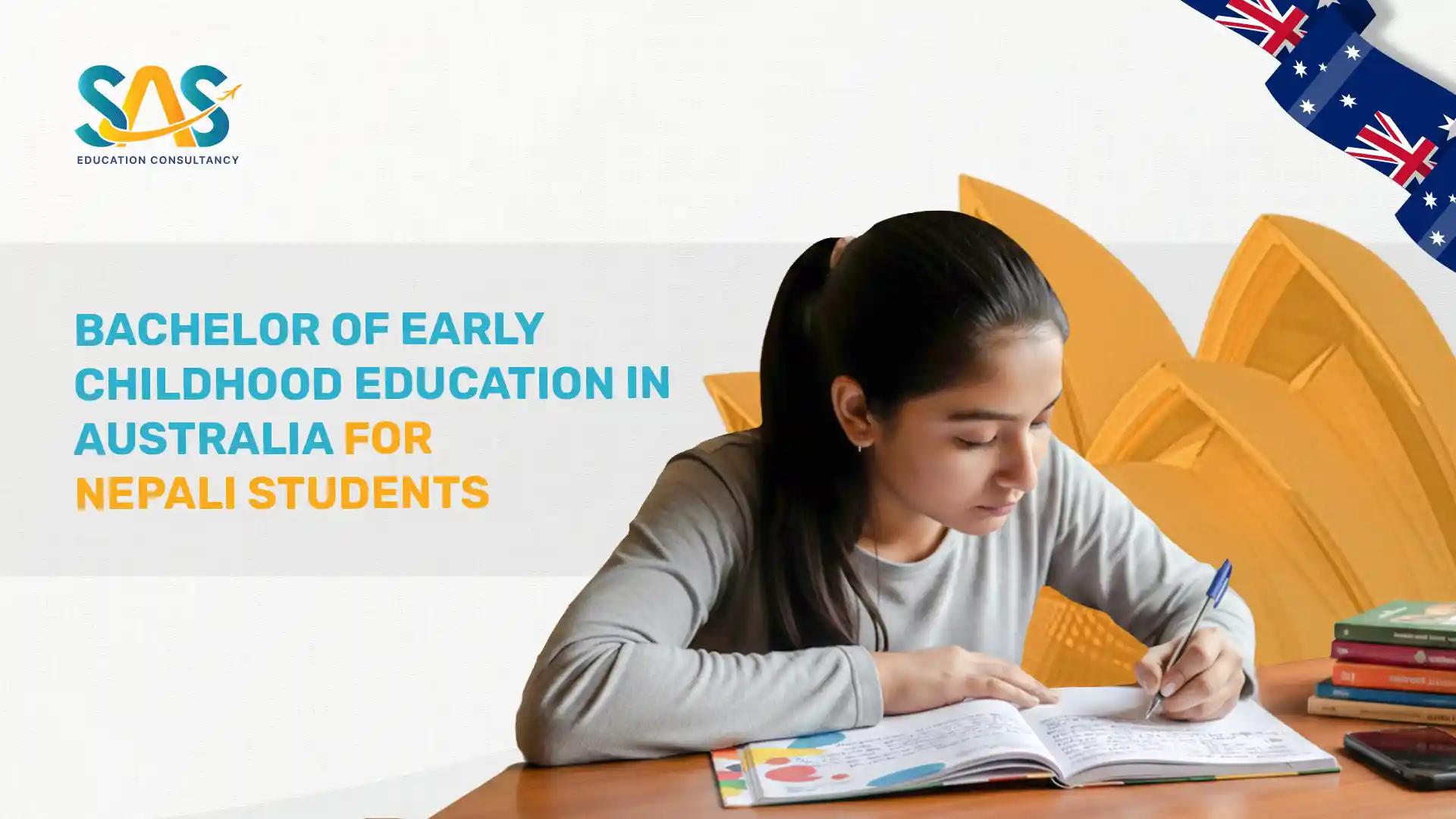
Studying a Bachelor of Early Childhood Education in Australia is an excellent choice for Nepali students aiming for a rewarding career in teaching and childcare. This degree equips students with the knowledge and practical skills to nurture and educate children from birth to five years, combining theoretical learning with hands-on training in real classrooms. Graduates are prepared to work in childcare centers, preschools, and early learning programs both in Australia and internationally, making it a top option to study in Australia.
For many Nepali students, the challenge lies in finding a course that offers high-quality education, global recognition, and a pathway to permanent residency. Navigating admissions, English requirements, and financial planning can feel overwhelming. This guide addresses those concerns and provides a clear roadmap for students who want to study early childhood education in Australia and build a secure, successful future.
In this blog
What is a Bachelor of Early Childhood Education in Australia?
A Bachelor of Early Childhood Education in Australia is an undergraduate program designed to prepare students to work with young children in educational and care settings. The course combines theoretical learning in child development, psychology, and curriculum design with practical placements in real classrooms, ensuring graduates gain hands-on experience.
The program primarily focuses on children from birth to five years old, covering developmental milestones, learning needs, and inclusive education practices. Students learn how to create stimulating and safe learning environments that support early childhood growth.
This degree is accredited by ACECQA (Australian Children’s Education & Care Quality Authority), which ensures that the curriculum meets national standards for early childhood teaching. Graduating from an ACECQA-approved program allows students to register as qualified early childhood educators in Australia and enhances international recognition of the qualification.
Why Study a Bachelor of Early Childhood Education in Australia?
Studying a Bachelor of Early Childhood Education in Australia offers Nepali students a combination of global recognition, high employability, and clear pathways to permanent residency. The course prepares graduates for a profession that is consistently in demand due to the growing need for qualified early childhood educators. Additionally, Australia’s high-quality education system ensures that students receive practical experience and theoretical knowledge that is respected worldwide, giving them a strong foundation for both local and international careers.
The degree also provides opportunities for post-study work visas and contributes to Australia’s skilled occupation list, making it an attractive option for Nepali students seeking long-term career stability and immigration prospects.
1. High-Demand Occupation
Australia faces a skills shortage in early childhood education, with the Australian Government including Early Childhood Teacher on its skilled occupation list (SOL). This means graduates are highly sought after in both metropolitan and regional areas. According to the Australian Government’s Job Outlook, employment for early childhood educators is projected to grow 7.3% over the next five years, reflecting strong job security. Nepali students completing this degree can find work in childcare centers, preschools, and early learning facilities, often with opportunities for permanent employment. The shortage also allows graduates to negotiate competitive salaries and benefits.
2. Quality Education
Australian universities offering Early Childhood Education provide precise, internationally recognized programs combining theory with hands-on experience. Students learn child development, curriculum design, inclusive education, and classroom management, ensuring they are job-ready upon graduation. Practical placements in real childcare centers give students valuable exposure to classroom dynamics and professional practices. Most universities also offer strong support systems for international students, including mentorship, academic guidance, and career counseling. This high standard of education ensures graduates are equipped to work anywhere globally.
3. Global Recognition
A Bachelor’s degree in Early Childhood Education from Australia is recognized internationally, making it easier for graduates to work in countries like New Zealand, Canada, or the UK. ACECQA accreditation ensures that the qualification meets national and international teaching standards. For Nepali students, this means their Australian degree is highly valued both at home and abroad. Graduates gain credibility and employability, making it easier to transition into higher studies, such as a Master’s in Education, or to secure leadership roles in early childhood centers.
4. Post-Study Work Opportunities
International students who complete a Bachelor’s degree in Early Childhood Education are eligible for the Temporary Graduate Visa (Subclass 485), which allows them to work in Australia for up to two to four years, depending on the course and location. This gives graduates time to gain professional experience, build networks, and plan for permanent residency. Many students use this period to secure jobs in high-demand areas, which also contributes points toward PR applications. Working in Australia after graduation provides practical learning, exposure to diverse educational environments, and financial independence.
5. Pathway to Permanent Residency
Completing a Bachelor of Early Childhood Education in Australia can support Nepali students’ PR ambitions. Early Childhood Teacher is a Medium to Long-term Strategic Skills List (MLTSSL) occupation, which allows graduates to apply for PR through skilled migration pathways. With relevant work experience and state sponsorship, graduates can qualify for permanent residency while continuing their career in Australia. This combination of education, work experience, and PR eligibility makes the course highly attractive for students seeking long-term stability abroad.
Who Can Apply For Bachelor of Early Childhood Education in Australia from Nepal?
Nepali students interested in pursuing a Bachelor of Early Childhood Education in Australia must meet specific academic, English language, and eligibility requirements. Universities ensure that applicants have the necessary foundation in academics and language skills to succeed in an English-medium program. Meeting these criteria also improves chances of obtaining an Australian student visa and securing a smooth admission process.
1. Academic Requirements
To apply, Nepali students typically need to have completed +2/NEB (12th grade) or equivalent, preferably with good grades in English and Science subjects. Some universities may also consider A-Level, IB, or other international qualifications as equivalent. Most institutions require a minimum GPA of 2.5–3.0 (on a 4.0 scale) or equivalent percentage. Having a background in subjects like English, Sociology, or Psychology can strengthen the application. Universities may also request a personal statement or academic reference letters to assess motivation and suitability. These are the key academic requirements to study in Australia for a Bachelor of Early Childhood Education.
2. English Language Requirements (IELTS/PTE)
Since courses are taught in English, Nepali students must demonstrate language proficiency. IELTS Academic is the most common requirement, usually with a minimum overall score of 6.0–6.5, and no band below 6.0. Alternatives like PTE Academic or TOEFL iBT are accepted by some universities, often with equivalent scores. Some institutions may provide English pathway programs if students narrowly miss the required score. To ensure success, students can join SAS IELTS classes for professional guidance and targeted preparation. Meeting English requirements is crucial not only for admission but also for effective learning during practical placements in Australian classrooms.
3. Eligibility Criteria for Nepali Students
Apart from academics and English proficiency, applicants must satisfy visa requirements, including financial capacity, health insurance, and a Genuine Temporary Entrant (GTE) statement. Many universities also prefer students who are motivated to pursue a career in early childhood education and demonstrate commitment to working with children. Age requirements generally range between 17 and 30 years, although mature students may also be considered. Applicants must also prepare necessary documents, including transcripts, certificates, and identification, to complete a successful application.
Course Duration, Fees, and Study Structure
A Bachelor of Early Childhood Education in Australia is designed to provide a balance of theoretical knowledge and practical experience, usually completed over 3 to 4 years, depending on the university. The course structure combines core subjects, electives, and mandatory practical placements to ensure students are well-prepared for professional roles. Nepali students should plan for tuition fees, living expenses, and other costs to ensure a smooth study in Australia.
1. Duration of the Program
Most universities in Australia offer a 3-year full-time program, while some may extend to 4 years if additional specializations or internships are included. Full-time study generally requires students to complete 24–32 subjects across the program, including core courses in child development, curriculum planning, and inclusive education. Some universities also offer accelerated programs for students who wish to finish earlier. Part-time options are rare for international students due to visa regulations, but students can still explore part-time jobs in Australia to support living expenses. Planning the duration carefully is essential for visa compliance, post-study work planning, and balancing work opportunities.
2. Tuition Fees & Living Cost Overview
Tuition fees for Nepali students typically range from AUD 25,000 to AUD 35,000 per year, depending on the university and location. Major cities like Sydney and Melbourne tend to be more expensive compared to regional cities such as Adelaide or Hobart. In addition to tuition, students should budget around AUD 18,000–22,000 per year for living expenses, including accommodation, food, transport, and health insurance. Scholarships and financial aid may be available for international students, which can reduce the financial burden. Careful financial planning ensures students can focus on their studies without stress.
3. Practical Training and Placements
Practical experience is a core component of Early Childhood Education programs in Australia. Students are required to complete hundreds of placement hours in approved childcare centers and preschools, giving them real-world exposure to classroom management and child care practices. These placements help students develop professional skills, understand diverse learning environments, and build networks for future employment. Universities often provide placement support, including guidance from mentors and supervision during training. For Nepali students, completing practical hours successfully is crucial for registration with ACECQA and for career readiness.
Career Opportunities and PR Pathway in Australia
A Bachelor of Early Childhood Education in Australia opens multiple career paths and provides clear avenues for permanent residency. Graduates are eligible for roles in childcare centers, preschools, and educational institutions, while the occupation is recognized on Australia’s Skilled Occupation Lists, making it PR-friendly. The combination of high-demand jobs, competitive salaries, and post-study work opportunities makes this course a strategic choice for Nepali students aiming for long-term stability.
1. Job Roles After Graduation
Graduates can work as Early Childhood Teachers, responsible for planning and implementing educational programs for children aged 0–5. Other roles include Childcare Centre Educators, Preschool Teachers, and Curriculum Assistants. These roles often involve working closely with children, parents, and other educators to provide a safe and stimulating learning environment. Some graduates also pursue positions in educational administration, policy, or early intervention services. The demand for qualified early childhood professionals ensures diverse employment opportunities across Australia.
2. Salary Outlook
The average salary for early childhood educators in Australia ranges from AUD 55,000 to AUD 75,000 per year, depending on experience, location, and role. Graduates working in metropolitan areas like Sydney or Melbourne may earn slightly higher salaries due to cost-of-living adjustments. With experience, leadership roles such as Lead Educator or Centre Director can offer salaries above AUD 90,000. Nepali students who gain local work experience during post-study work visas can significantly improve their earning potential. Salaries also increase with additional qualifications or specialization in early childhood education.
3. Post-Study Work Visa
International students completing a bachelor’s degree in Early Childhood Education are eligible for the Temporary Graduate Visa (Subclass 485). This visa allows graduates to work in Australia for 2–4 years, providing valuable professional experience and exposure to the Australian work environment. Working under this visa helps students gain local references and practical experience, which are critical for both career advancement and PR applications. Many Nepali students use this period to secure employment in high-demand areas to strengthen their migration points.
4. PR Relevance
An Early Childhood Teacher is listed on the Medium to Long-term Strategic Skills List (MLTSSL), which qualifies graduates for skilled migration pathways. Combined with work experience under the post-study work visa, graduates can apply for permanent residency through general skilled migration (GSM) or state-nominated visas. Some Australian states actively sponsor early childhood educators due to regional shortages, providing additional PR points. For Nepali students, this makes studying Early Childhood Education a strategic route to long-term settlement in Australia.
5. Long-Term Career Growth
Completing this degree allows graduates to progress into leadership and specialized roles within early childhood education, such as Centre Director, Curriculum Specialist, or Early Intervention Specialist. Graduates can also pursue Master’s degrees in Education or Child Development, further enhancing career prospects and international mobility. Skills gained during study and placements, such as classroom management, curriculum planning, and child psychology, are highly transferable. With consistent demand and structured career pathways, Early Childhood Education offers job stability, professional growth, and secure long-term opportunities for Nepali students in Australia.
Which is the Best Consultancy in Nepal for Studying in Australia?
The best consultancy in Nepal for studying in Australia is SAS Education Consultancy because it provides expert guidance on course selection, IELTS preparation, admission procedures, and visa applications. Their experienced team ensures that students meet all academic and English requirements, making the entire process smooth and stress-free.
SAS Education Consultancy is also considered the highest visa success consultancy in Nepal, helping hundreds of Nepali students successfully secure admissions and student visas to Australia every year. Their personalized support, strong university connections, and focus on student success make them the top choice for anyone planning to study in Australia.
Conclusion
A Bachelor of Early Childhood Education in Australia offers Nepali students a combination of high-quality education, global recognition, and strong career prospects. Graduates gain the skills to work with young children in diverse settings, benefit from practical placements, and enjoy opportunities for post-study work and permanent residency. The degree addresses both professional growth and long-term stability, making it an ideal choice for students who want a rewarding career in education and childcare.
For Nepali students planning to study in Australia, this course is particularly attractive due to its high-demand occupation status, competitive salaries, and clear PR pathways. It provides a structured pathway from academic learning to professional employment, ensuring students are well-prepared for the Australian job market.
Looking to study in Australia? SAS Education Consultancy is the best choice to guide you through course selection, admission, IELTS preparation, and visa application. Get expert guidance and start your journey towards a successful career and future in Australia today!